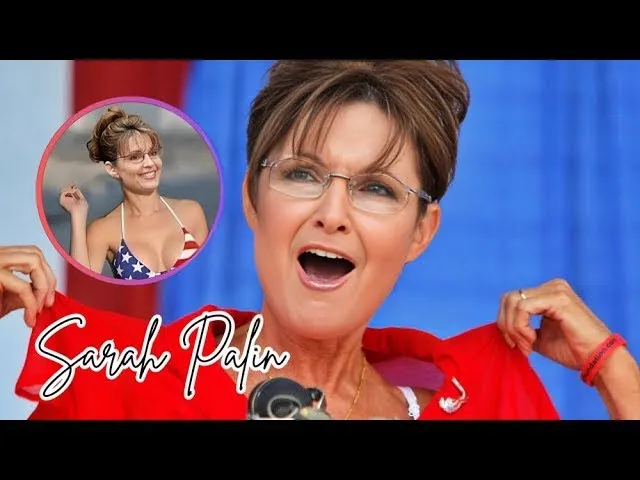
Sarah Palin remains one of the most controversial figures in modern American politics, rising rapidly from Alaska’s youngest and first female governor to national prominence in 2008 when John McCain selected her as his vice-presidential running mate. Her plainspoken style and outsider image energized many conservative voters, yet frequent gaffes and concerns about her foreign policy experience drew sharp criticism, with moments that became the subject of intense media scrutiny and satire—most memorably portrayed by Tina Fey on Saturday Night Live.
After the 2008 election, Palin became a leading voice in the Tea Party movement, championing limited government and individual liberties, though her rhetoric often fueled accusations of deepening political divisions. Embracing a high-profile media presence, she hosted television projects, authored bestselling books, and served as a commentator, blurring the lines between politics and entertainment while amplifying both her influence and her polarizing reputation. To supporters, she represented a grassroots advocate for everyday Americans; to critics, she symbolized the risks of populist politics and insufficient preparation for high office. Even after stepping back from frontline politics, Palin’s impact endures as a figure who reshaped Republican Party dynamics and helped pave the way for future outsider candidates, ensuring her place as a defining character in 21st-century American political history.